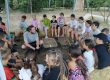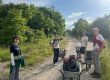
The next stops in our study visit were places known for hemp tradition. Those are Kulpin, a small town that hosts the only Agriculture Museum in Serbia, which has an exhibition about hemp. The other place was Bački Petrovac, where the Institute for Agriculture, its department for alternative cultures, is situated.
The Agriculture Museum includes castles and other objects and displays comprehensive exhibits about traditional farming methods, including collections about hop cultivation, hemp processing, wheat production, and livestock breeding in the region. We were of course, mostly interested in the part about hemp cultivation and processing.
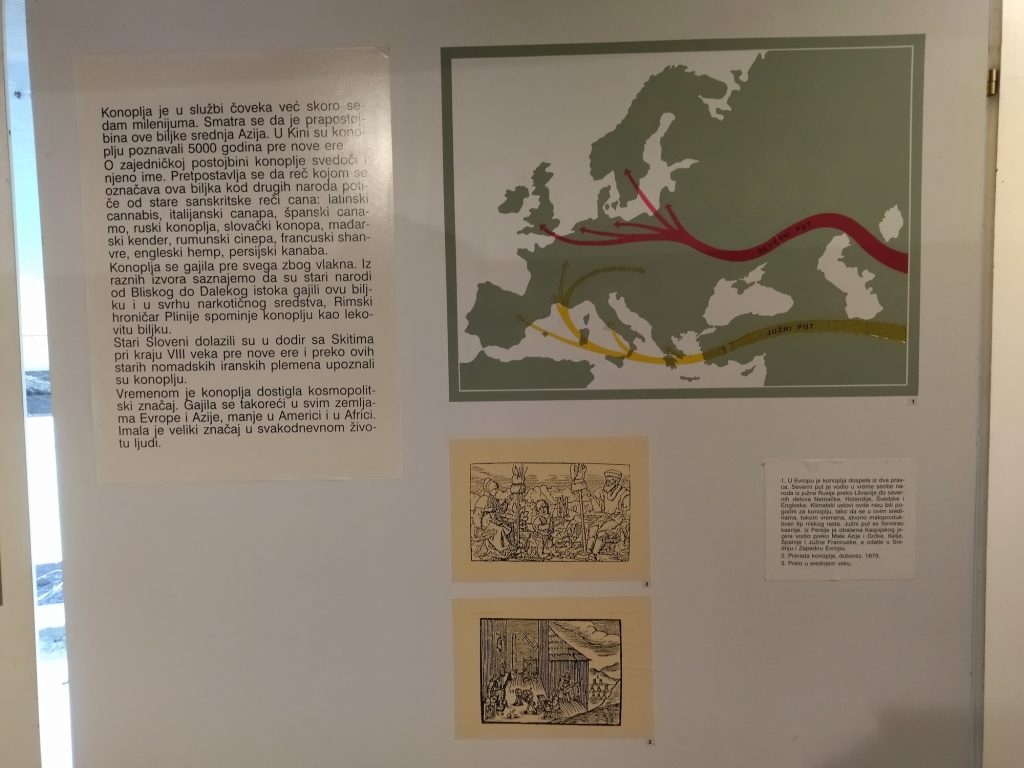
Cultivation of hemp was spread all around Yugoslavia, however, the best soil for growing hemp in Europe, accoring to some sources are in Vojvodina (North Serbia) and Pomoravlje/Anamorava in Kosovo. In Vojvodina, cultuvation of hemp was done by in most of the villages, but Slovakian minority had special connection to it and this is also why most of the documented hemp heritage is present in places with Slovakian community.
The only book about hemp heritage is also issued in Slovakian langauge and includes stories from the past. This book is called ‘Konoplji hvala‘ or Praise to hemp and it was written by dr Jan Kišgeci, proffesor from Agriculture Faculty, also one of the founders of the Agriculture Museum in Kulpin,
A short overview of the book in English is available here. The book is also illustrated with authentic hemp-inspired drawings, made by a Slovakian artist Martin Jonaš.
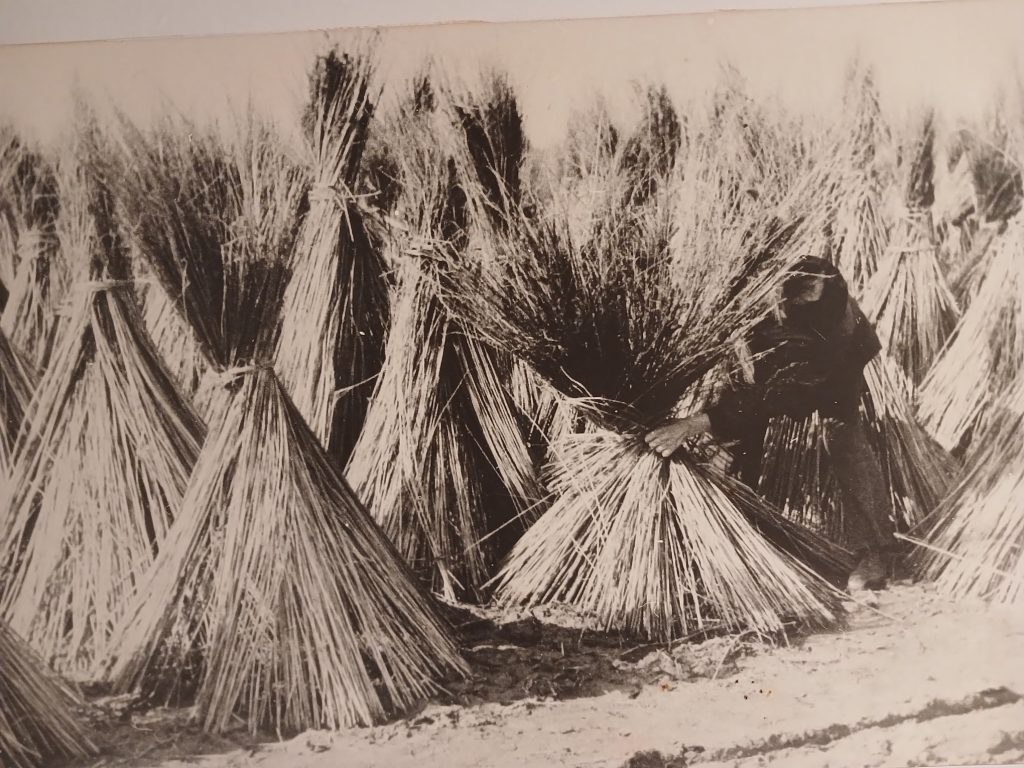
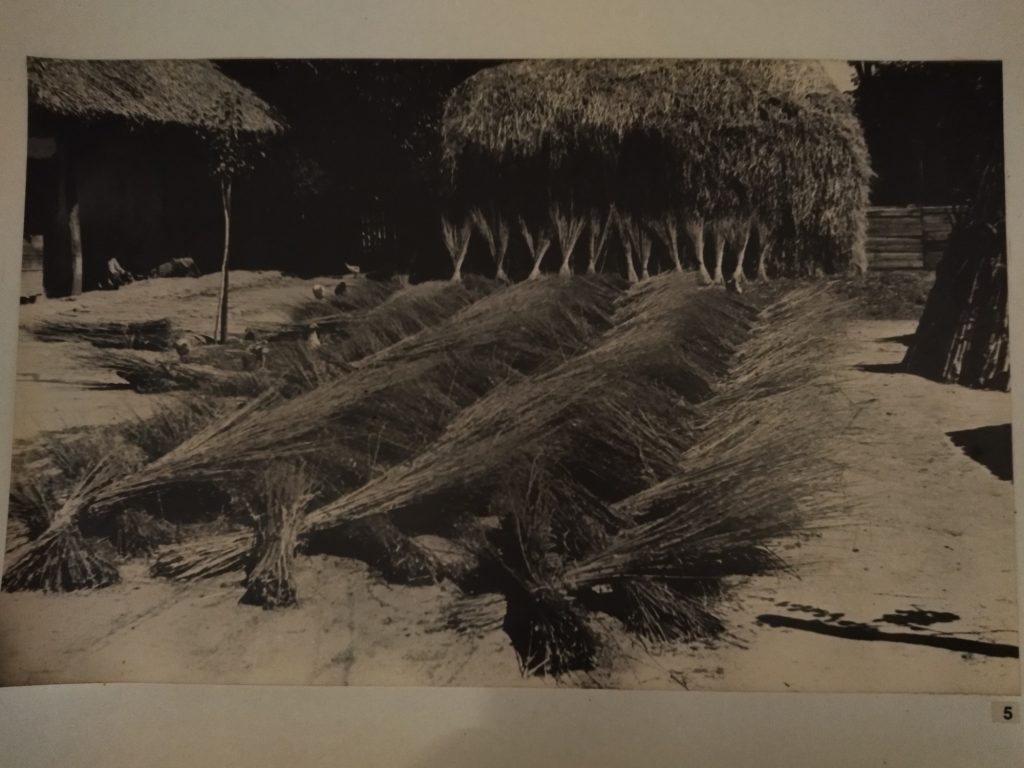
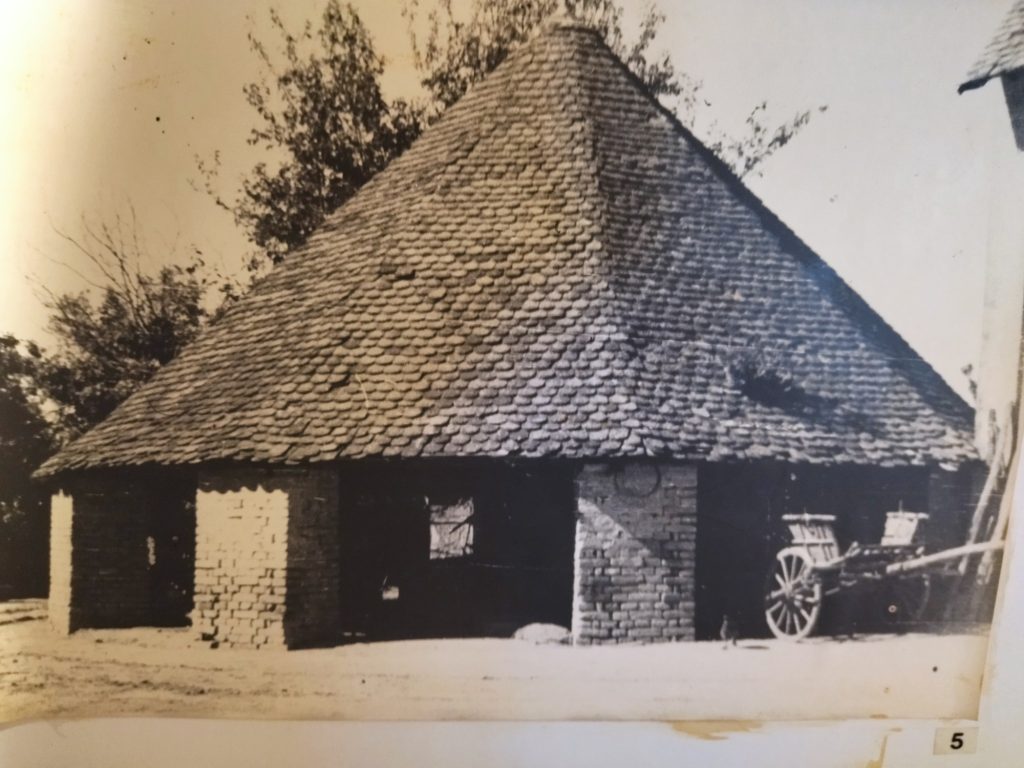
The hemp exhibition covers all the steps of cultivation and processing, as it used to be done before. It is followed by a story from the curator, who again confirmed that working with hemp is and it used to be a very difficult job in which many people had to be involved.
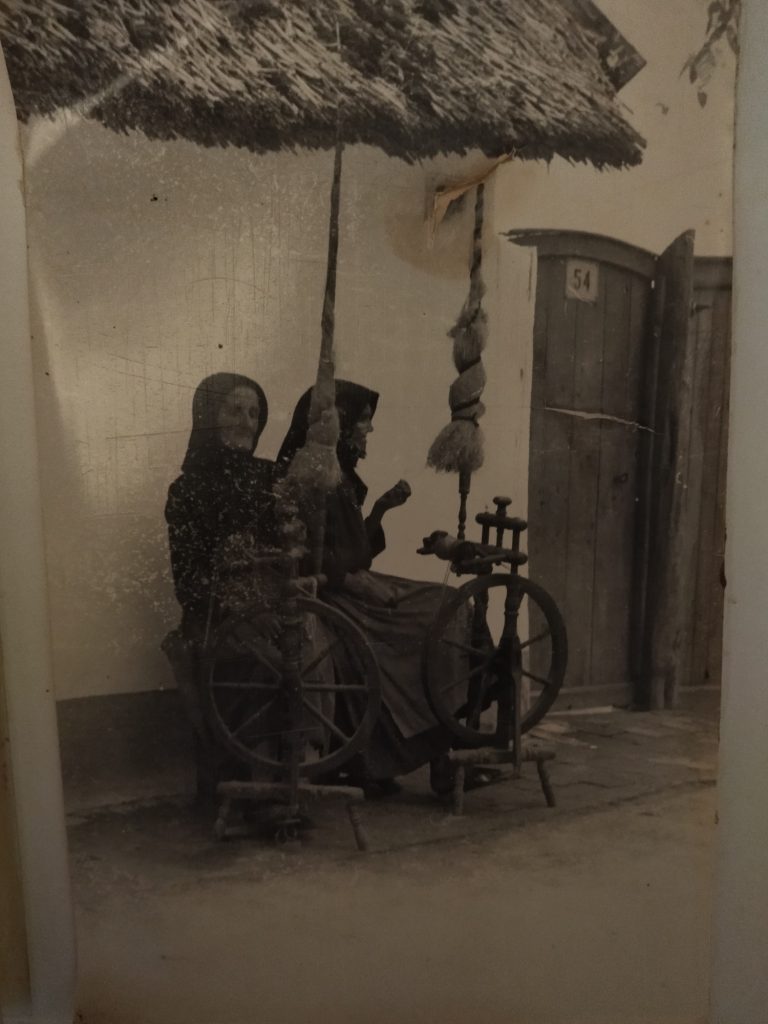
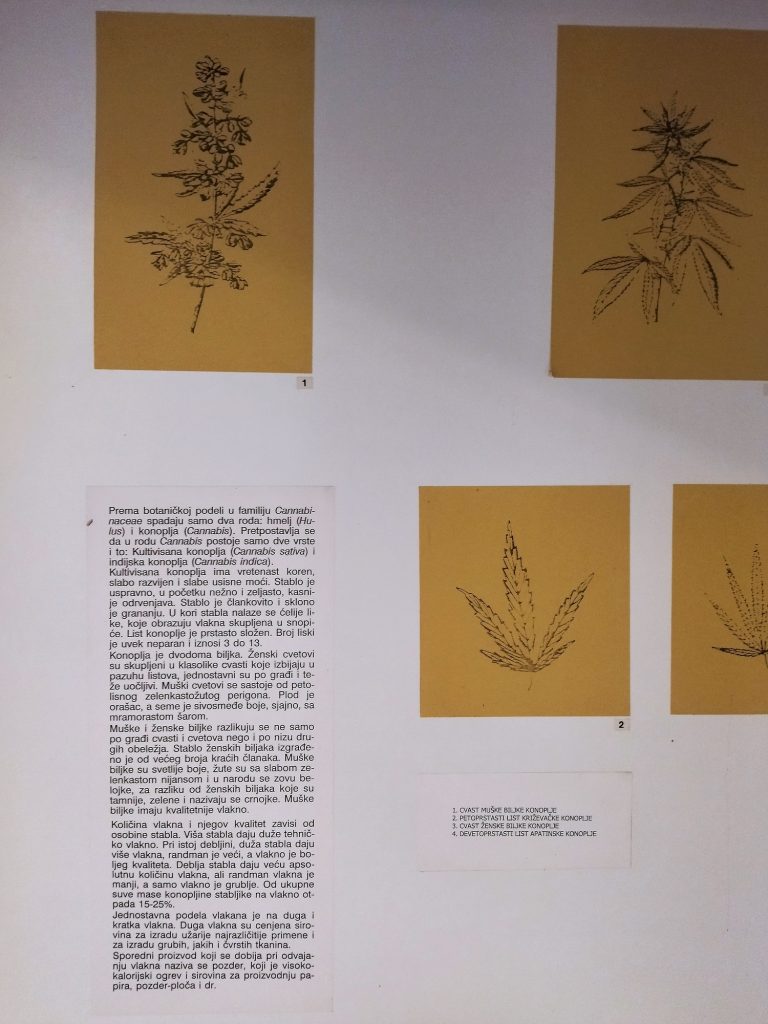
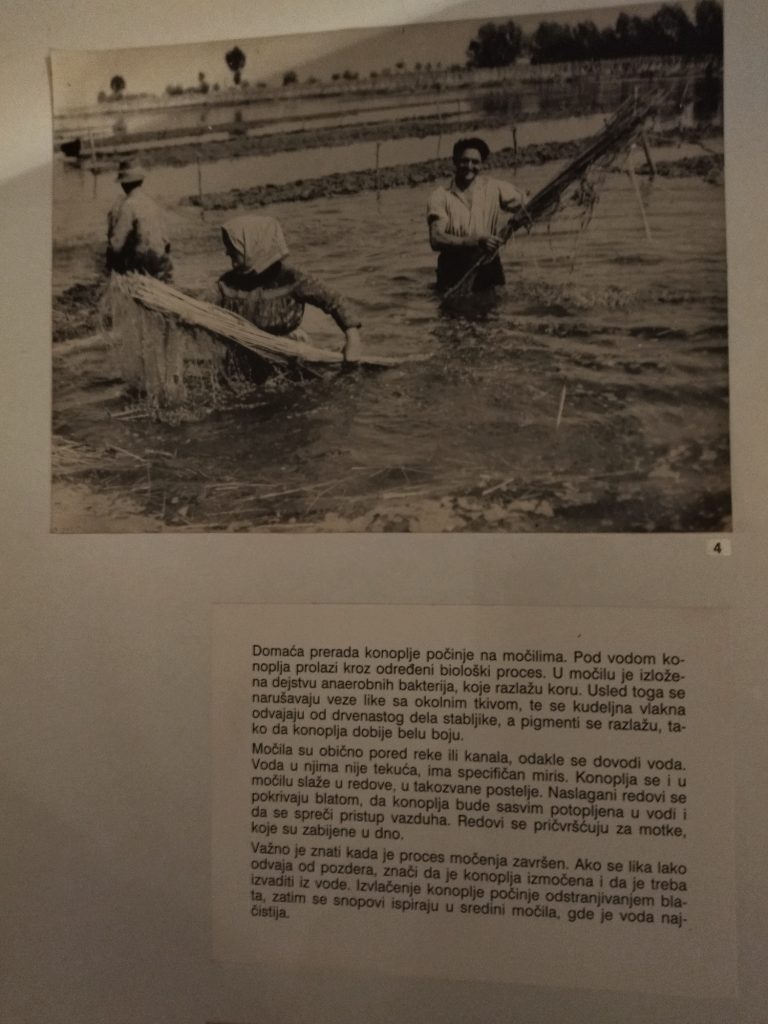
Besides photos, the exhibition includes different tools used for different steps of the processing, all being donated to the Museum.
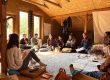
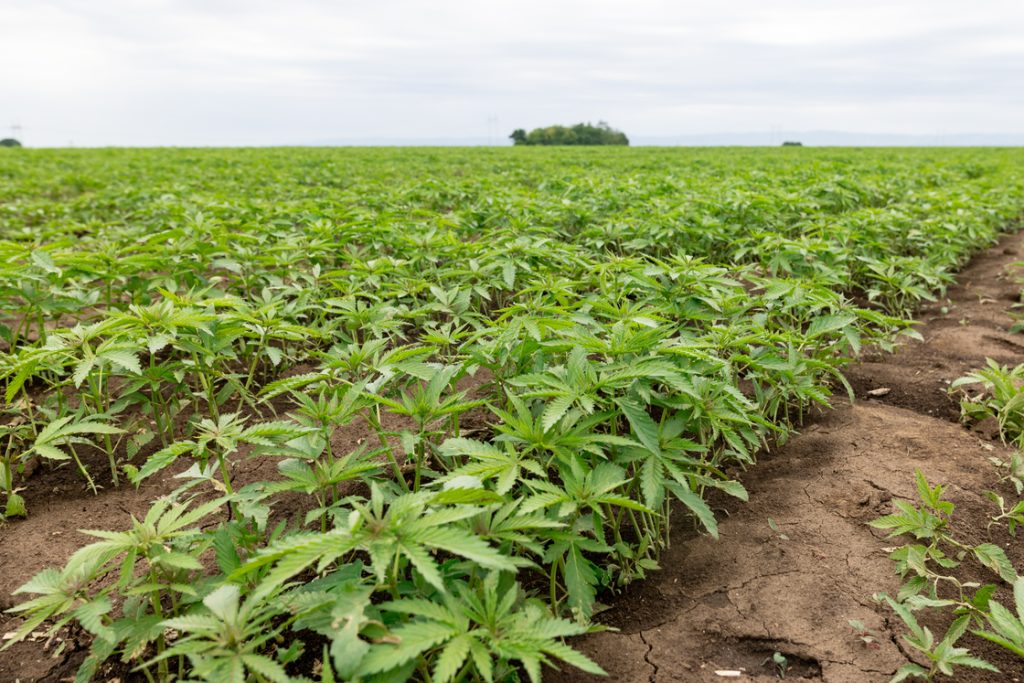
After this deep dive in history and hemp heritage in Vojvodina, we visited the Agriculture Institute. The main institution for hemp growing in Serbia. We were welcomed by the director and his assistant, who is working on the development of hemp varieties. Again, we learnt a lot about the procedures, obstacles and processes. We also learnt that growing hemp was never forbidden, but that there is a need for new regulations and easier procedures. The institute also did a lot to promote hemp cultivation and to educate the public, but until the market does not get opens for innovative uses of hemp (i.e. construction), the need for cultivation will go behind the potential for economic development, environmental application, climate change mitigation and probably overall wellbeing.
Fianlly, we also learnt about possible steps towards regulating industrial hemp in Kosovo, but that is for follow up…
Stay tuned for more!
This study visit was realised thanks to the support of the European Heritage Hub pilot Project co-funded by the European Union and supported by the ALIPH Foundation.