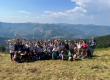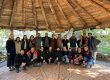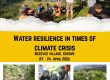
From the 28th to the 31st of May participants of the project “We Grow with the Flow – Youth for Rivers” met in Štrpce/ Shtërpcë to conclude the 15 month initiative, presenting their findings and celebrating their achievements. The cross-border project brought together youth from Kosovo, North Macedonia, and Montenegro, providing a platform to exchange ideas for future river protection and share knowledge from their respective local contexts. Across the 15 month period youth participated in training sessions on nature conservation, public participation and advocacy, as well as leading the development and implementation of 3 local environmental initiatives including policy recommendations for greater river protection.
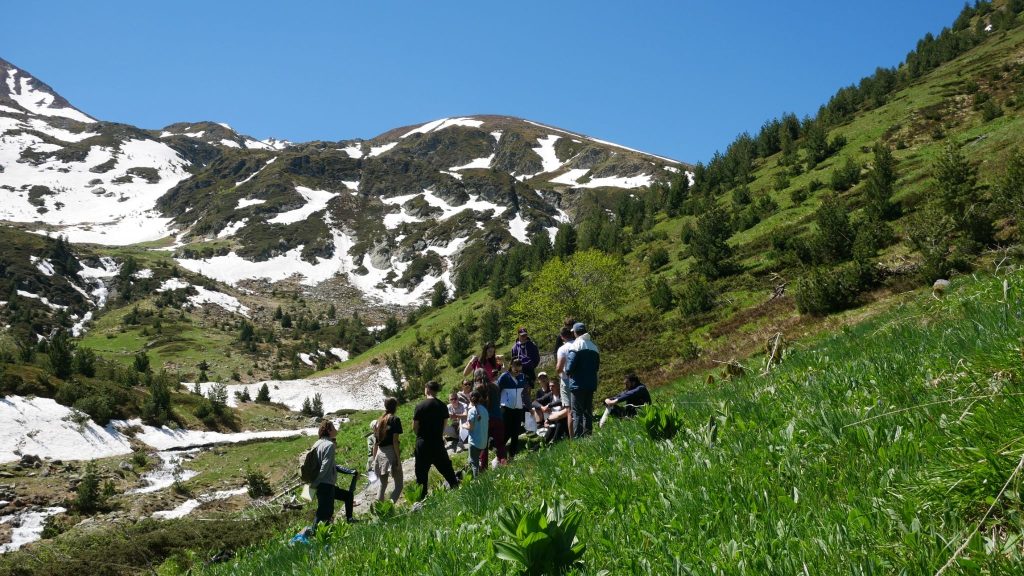
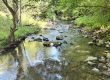
The workshop began with a group trip into the Šar/Sharr mountains, giving participants a hands-on opportunity to connect with nature and learn about the local environmental context. In mixed groups, youth from the 3 countries took time to create soundmaps, examine local biodiversity, and learn about the impact of a local hydropower plant on the ecosystem. A key theme of the activities was increasing the understanding of human impact on river ecosystems, as participants were asked to identify various clues that pointed to human presence in the area. Participants helped each other to cross snow melts, hiked to a water fall, and drank water directly from the mountain stream, connecting with the local ecosystem while reflecting on the human impact and brainstorming future possibilities for river protection and engagement.
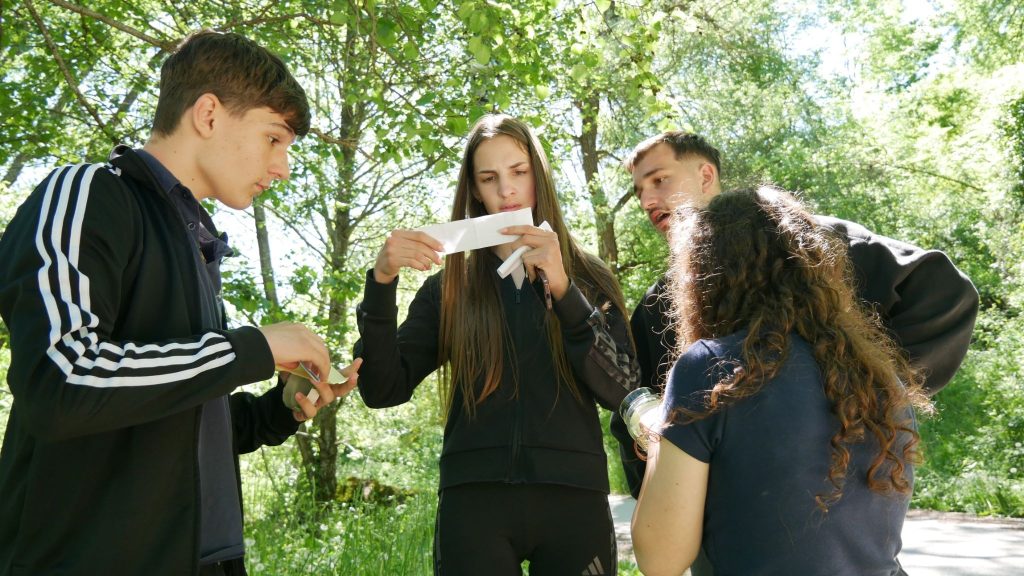
Along with practical knowledge building, the workshop presented an opportunity for youth from international groups to mix and develop interpersonal and team-based skills. Navigating language and cultural differences, youth from the three groups worked in teams organizing themselves and finding creative ways to communicate effectively. These skills were put to use during another highlight of the program, completing a team-based geocaching activity. Mixed groups of youth from the three countries set out with coordinates to find different clue jars hidden across the village of Štrpce/ Shtërpcë . Each jar contained a clue leading to the next placement, while also including key information about environmental and river protection. To complete the task team members were forced to communicate with each other to succeed, developing their interpersonal skills while also learning new information about river health and protection.
In the evenings each country’s team, GAIA (Kosovo), Eko-svest (North Macedonia), Eco-team (Montenegro), took the lead in designing and leading an activity for the whole group. On the first night the Montenegrin team shared a local folk dance, first demonstrating the dance and inviting everyone to join in and try. On day 2 the Kosovo team shared the history and traditions involved in the Serbian Slava, and on day 3 the team from North Macedonia led a game of Mafia with an environmental twist, as participants were placed into roles such as eco-activist, polluter, and mayor. The evening activities worked to bring everyone together and decompress after the busy activities of the day, as participants gained greater cultural awareness and formed new friendships with other youth across the 3 countries involved.
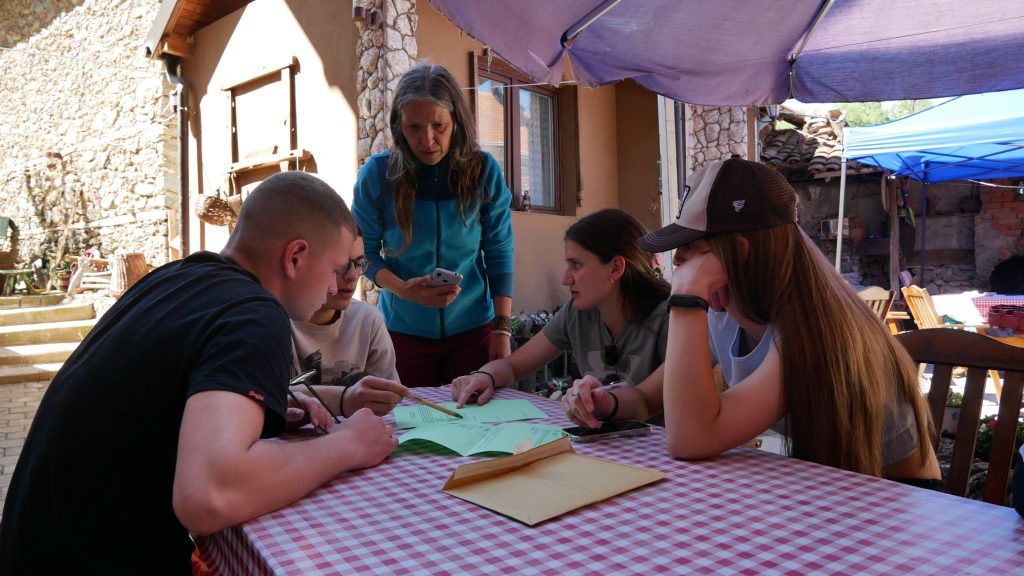
The activities culminated in each team preparing a presentation on the content of the workshop thus far, tying together the hands on knowledge from the Šar/Sharr mountain expedition, the information learned during the geo-caching exercise, as well as completing a final exercise in which groups designed a new local initiative. In this final activity, groups were given a role (young eco-activists, a local NGO, etc.) and asked to design a brand new initiative using their experience from the 15 month project and the workshop. The activity was designed to provoke youth to think critically, creating a strategy and mapping relevant stakeholder interests and possible opposition to their initiatives. By considering stakeholder interests in their ideas, groups were forced to think realistically and analyze which strategies would be most effective in achieving their objectives, whether it be river management or forest protection.
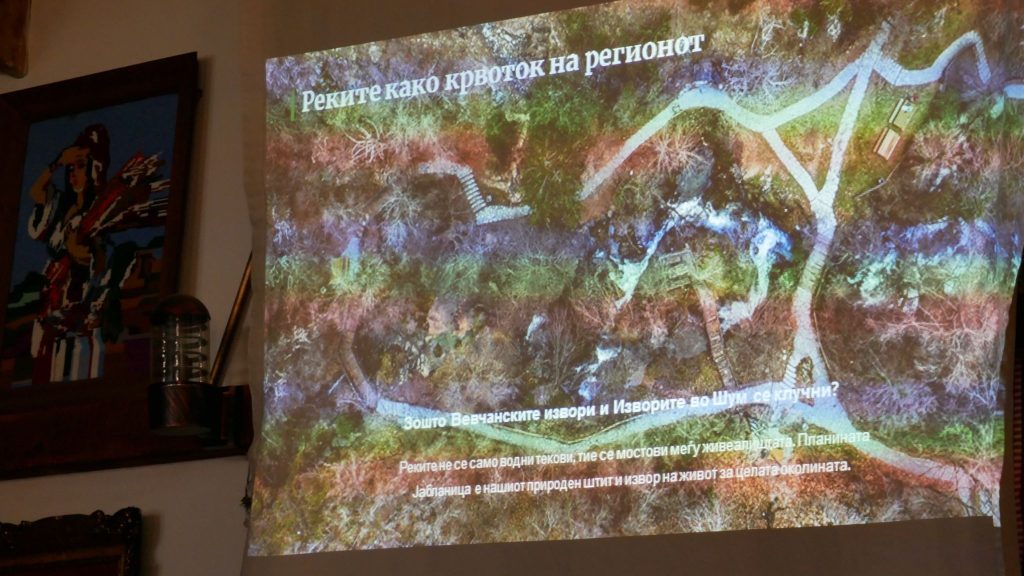
The highlight of the workshop, however, was each country’s final presentation of their experience across the past 15 months. Each group explained the local context of their initiatives along with success and failures of their efforts across the project duration. Participants shared specific knowledge from their training sessions with environmental experts, information about their local rivers and communities, how the team worked together, and the specific results of their initiatives. As groups shared their initiatives ranging from organized river clean ups to public murals designed to raise environmental awareness, they also shared what they would have done differently if they could repeat the project. Youth presenters then shared their ideas for future river protection efforts, sparking conversation and exchange between the groups on how to build on the 15-month experience and look ahead.
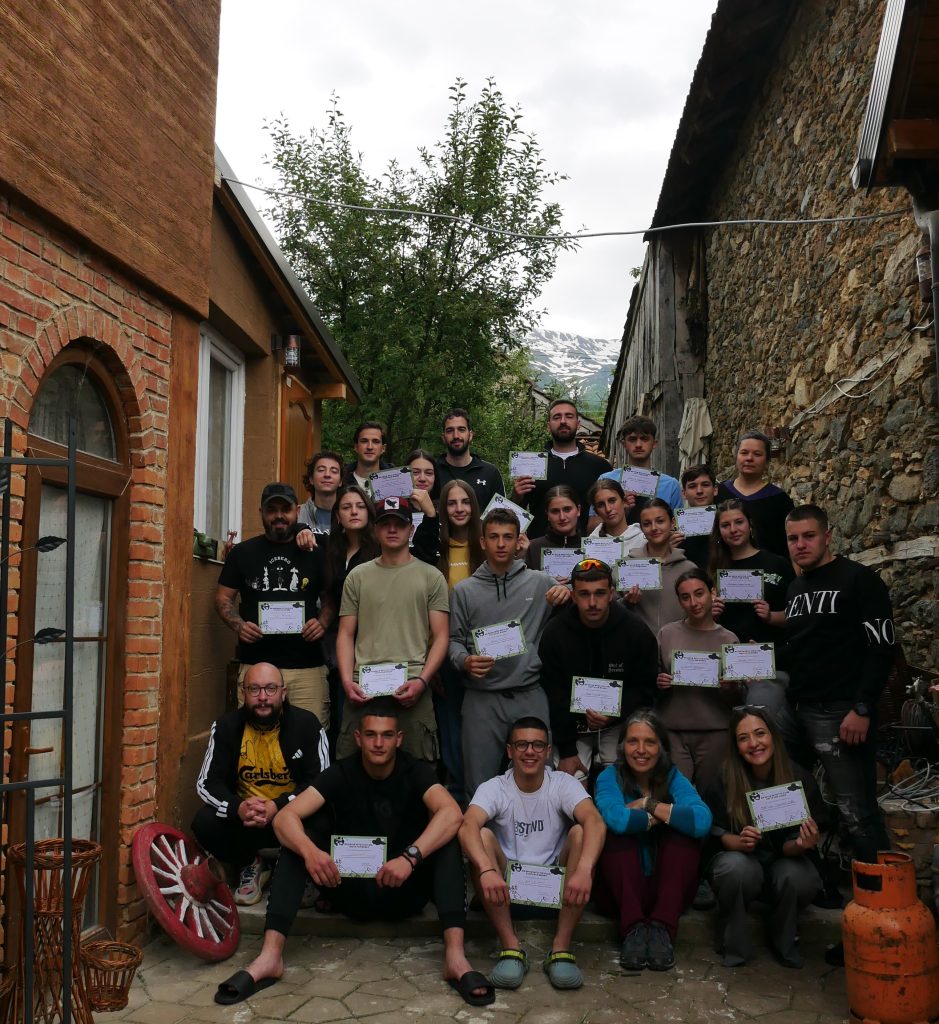
The final presentations concluded a highly productive project in which youth from 3 countries learned from experts about nature conservation and advocacy as well as researching their own local environmental context. Using this knowledge the youth groups put their skills to the test in a practical environment, designing and implementing their own initiatives and developing policy recommendations for greater river protection. The final workshop in Štrpce/ Shtërpcë served as a capstone to the 15-month project. Youth from North Macedonia, Kosovo, and Montenegro met and celebrated their achievements, sharing their unique experiences and knowledge gained. The workshop also provided another opportunity for learning, as groups participated in hands-on exercises in nature and brainstormed new ideas for continuing river protection in their communities.
The project is implemented within the framework of the BOOST program supported by the Agence Française de Développement (AFD) and implemented by ALDA – the European Association for Local Democracy.

The views, opinions and content expressed in this text are those of the author(s) and do not necessarily reflect the official position of the European Association for Local Democracy-ALDA and Agence Française de Développement (AFD). ALDA and AFD are not responsible for any use that may be made of the information contained therein.